What Are Bison Babies Called Missouri Elktoe Mussel Range
Numerous species native to the United states of america are threatened with extinction, and have been classified as "endangered" or "threatened" by the U.South. Fish and Wildlife Service or the North Carolina Wildlife Resources Commission.
The Endangered Species Act of 1973 defines these classifications as:
Endangered —any species which is in danger of extinction throughout all or a significant portion of its range.
Threatened —whatsoever species which is likely to become endangered within the foreseeable time to come throughout all or a meaning portion of its range.
A species can exist endangered, threatened, mutual, or abundant in different parts of its range (example: American alligator). Species identified as endangered or threatened, likewise equally habitats declared critical to them, are protected nether federal and country laws designed to safeguard endangered individuals and promote recovery of the species.
Protective measures for endangered species include:
- preparation of recovery plans
- acquisition and management of essential habitat
- protection from disturbance (pursuing, harming, collecting, harassing, etc.)
Protection from disturbance differs between federally listed endangered and threatened plant and fauna species. No penalties are assessed if endangered institute species are harmed in the class of legal land management practices, whereas the taking of an endangered and threatened animal species, or destruction of its critical habitat, either by intent or negligence, is subject to prosecution nether Section 9 of the Endangered Species Human action. Even so, destruction of an endangered and threatened plant is subject to prosecution under the Endangered Species Act if the plant is on country nether federal jurisdiction (which includes individual land under direction practices that require federal permits), or if the destruction occurs during the course of another illegal act (such as trespassing).
The N.C. Endangered Species Act (1000.S. Affiliate 113, Article 25) prohibits the taking of state listed species. The Act likewise states that it does not limit the rights of a landowner in the lawful management of his/her country. Clearly, the taking of an endangered, threatened, or special business species through illegal land management activities is a violation of this police.
Forest landowners inside the range of the federally listed Reddish-cockaded woodpecker (RCW) can enroll in the "Cerise-cockaded Woodpecker Safe Harbor Program" in Due north Carolina. To be eligible for this programme, a property must currently have RCW or take the long-leaf pine habitat to potentially support RCW. By enrolling in this program, landowners agree to implement management techniques that benefit RCW, and in exchange, are granted land management flexibility and a reduction of land apply restrictions that would otherwise affect properties with a known population of an endangered species.
Northward Carolina currently has many plant and animal species listed as threatened or endangered (Tabular array 1), with several other species currently nether consideration. Most of these were placed on the endangered species list considering of the straight alteration or loss of the species' habitat. Humans crusade a majority of the agin impacts upon threatened and endangered species, including pollution, urbanization, poorly planned timber harvest, wetland drainage, and conversion of natural areas to agricultural land.
Species listed as federally threatened or endangered are rare throughout their range. Species but on the Due north Carolina state list may be rare within the state of Northward Carolina, but more than abundant in other parts of their range. Some species may be "under review" or "of concern" meaning they have not formally been listed equally federally threatened or endangered, but their status is currently being considered.
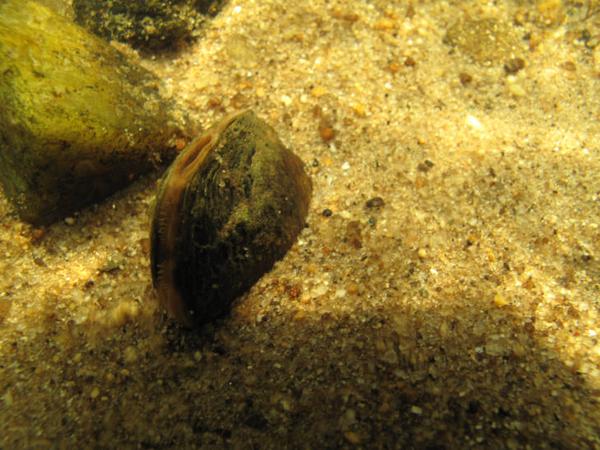
Appalachian elktoe mussel.
Gary Peeples, USFWS CC BY - 4.0
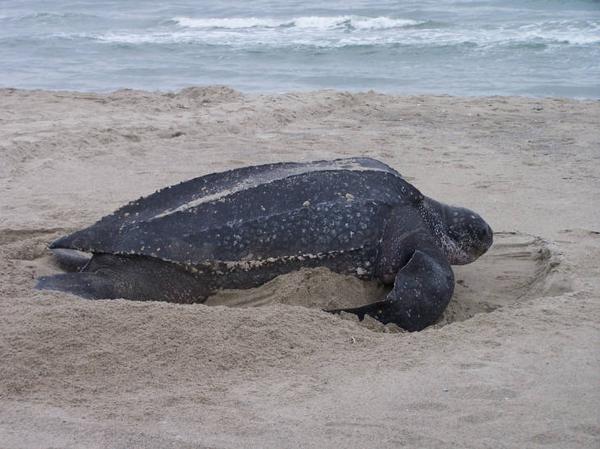
Leatherback ocean turtle.
David Rabon, USFWS CC BY - 4.0
Endangered Species Management
Because of the wide variety of threatened and endangered species, management actions for these species are varied and may be highly specific.
Many of the listed fish, mollusks, and amphibians are rare because of water pollution and wetland degradation. Forest land owners can help these species past preserving wetlands, maintaining streamside buffer zones, using fertilizers and pesticides carefully, and keeping silt out of streams during logging and road-building operations.
Many of the listed terrestrial animals are rare considering they are closely associated with rare vegetation communities. A few examples are red-cockaded woodpeckers (Iongleaf pine forests), Carolina northern flying squirrels (high elevation spruce-fir and northern hardwood forests), and bog turtles (pocket-sized bogs in the mountains and Piedmont). Use of management practices that maintain these rare communities or specific elements (eastward.m., cavity trees) within the communities is the best mode to perpetuate these species. Important rare community types include spruce-fir forests, bogs, and balds in the mountains; bottomland hardwood forests and fire-maintained prairies in the Piedmont; and longleaf pine forests, Carolina trophy, and maritime forests in the Coastal Manifestly.
If y'all believe y'all might have a threatened or endangered species on your belongings or in waters associated with your belongings, consult with a North Carolina Wildlife Resources Committee or U.S. Fish and Wild fauna Service biologist nearly legal management practices and the best ways to raise habitat for the species.
| Amphibians | Federal | Country |
| Eastern tiger salamander | X | |
| Gopher frog | X | |
| Green salamander | 10 | |
| Junaluska salamander | Ten | |
| Mabee'due south salamander | Ten | |
| Ornate chorus frog | 10 | |
| River frog | X | |
| Wehrle's salamander | X | |
| Reptiles | ||
| American Alligator | X | X |
| Bog turtle | X | 10 |
| Eastern coral serpent | X | |
| Eastern diamondback rattlesnake | X | |
| Dark-green turtle | X | X |
| Hawksbill turtle | X | X |
| Kemp'due south Ridley turtle | 10 | X |
| Leatherback turtle | Ten | Ten |
| Loggerhead turtle | X | X |
| Northern pine snake | X | |
| Southern hognose snake | X | |
| Birds | ||
| American peregrine falcon | Ten | |
| Bachman's warbler | 10 | |
| Bald hawkeye | Ten | |
| Bewick's wren | X | |
| Caspian tern | X | |
| Common tern | X | |
| Gull-billed tern | X | |
| Henslow'southward sparrow | 10 | |
| Kirtland'due south warbler | Ten | Ten |
| Northern saw-whet owl | 10 | |
| Pipage plover | X | X |
| Red cockaded woodpecker | X | X |
| Roseate tern | Ten | 10 |
| Rufa reddish knot | X | X |
| Wayne'south black-throated green warbler | X | |
| Wood stork | X | X |
| Crustacea | ||
| Bennett'south Manufacturing plant cave h2o slater | X | |
| Insects and Spiders | ||
| Saint Francis' satyr butterfly | X | X |
| Spruce-fir moss spider | X | X |
| Mussels and Snails | ||
| Alewife floater | X | |
| Appalachian elktoe | X | 10 |
| Atlantic pigtoe | X | |
| Barrel floater | X | |
| Big-tooth covert | Ten | |
| Beck floater | Ten | |
| Cape Fright threetooth | 10 | |
| Carolina creekshell | X | |
| Carolina fatmucket | X | |
| Carolina heelslitter | X | X |
| Creeper | X | |
| Dwarf wedgemussel | X | 10 |
| Eastern lampmussel | X | |
| Eastern pondmussel | X | |
| Engraved covert | X | |
| Fragile glyph | X | |
| Greenish floater | X | |
| Greenfield rams-horn | X | |
| James spinymussel | X | X |
| Knotty elimia | X | |
| Littlewing pearlymussel | 10 | X |
| Longsolid | 10 | |
| Magnificent rams-horn | Ten | |
| Mountain creekshell | X | |
| Noonday earth | X | X |
| Notched rainbow | 10 | |
| Purple wartyback | X | |
| Rainbow | X | |
| Roan supercoil | X | |
| Savannah Lilliput | X | |
| Sculpted supercoil | 10 | |
| Slippershell mussel | X | |
| Smoky Mount covert | X | |
| Tan riffleshell | X | Ten |
| Tar River spinymussel | Ten | Ten |
| Tennessee clubshell | X | |
| Tennessee pigtoe | Ten | |
| Tidewater mucket | Ten | |
| Triangle floater | X | |
| Waccamaw ambersnail | Ten | |
| Waccamaw fatmucket | X | |
| Waccamaw fasten | X | |
| Yellow lampmussel | X | |
| Yellow lance | X | X |
| Fish | ||
| Atlantic Sturgeon | X | X |
| Bigeye jumprock | X | |
| Blotchside longperch | X | |
| Bridle shiner | X | |
| Cape Fearfulness shiner | 10 | Ten |
| Carolina madtom | X | |
| Carolina pygmy sunfish | X | |
| Carolina redhorse | X | |
| Dusky darter | X | |
| To the lowest degree brook lamprey | Ten | |
| Logperch | 10 | |
| Mimic shiner | X | |
| Orangefin madtom | 10 | |
| Paddlefish | X | |
| Roanoke longperch | X | X |
| Robust redhorse | X | |
| Rosyface chub | X | |
| Rustyside sucker | X | |
| Sharphead darter | X | |
| Sharpnose darter | X | |
| Shortnose sturgeon | Ten | 10 |
| Sicklefin redhorse | Ten | |
| Spotfin Chub | X | X |
| Stonecat | 10 | |
| Turquoise darter | Ten | |
| Waccamaw darter | X | |
| Waccamaw silverside | X | X |
| Mammals | ||
| Carolina northern flying squirrel | X | X |
| Eastern cougar | X | X |
| Eastern woodrat | X | |
| Fin whale | X | X |
| Greyness bat | X | Ten |
| Humpback whale | X | X |
| Indiana bat | 10 | Ten |
| Northern long-eared bat | Ten | X |
| Rafinesque's big-eared bat | 10 | |
| Ruby-red wolf | Ten | 10 |
| Right whale | X | X |
| Sei whale | X | Ten |
| Sperm whale | 10 | Ten |
| Virginia big-eared bat | 10 | Ten |
| West Indian manatee | 10 | 10 |
| Plants | ||
| American chaffseed | X | X |
| Blue Ridge goldenrod | X | 10 |
| Bunched arrowhead | 10 | X |
| Canby'southward dropwort | X | X |
| Cooley's meadowrue | Ten | X |
| Dwarf-flowered heartleaf | X | X |
| Aureate sedge | X | Ten |
| Green pitcher plant | 10 | X |
| Harperella | Ten | X |
| Heller'southward blazing star | X | Ten |
| Michaux's sumac | X | Ten |
| Mountain gilded heather | X | X |
| Mountain sugariness pitcher plant | 10 | X |
| Pondberry | X | X |
| Roan Mountain bluet | X | X |
| Stone gnome lichen | X | X |
| Crude-leaf loosestrife | 10 | X |
| Schweinitz'southward sunflower | X | X |
| Seabeach amaranth | X | X |
| Sensitive joint-vetch | Ten | X |
| Small-anthered Bittercress | X | 10 |
| Pocket-sized whorled pogonia | X | X |
| Smoothen coneflower | X | X |
| Spreading avens | X | 10 |
| Swamp pink | Ten | X |
| Virginia spiraea | X | 10 |
| White irisette | X | Ten |
The information in the above table is current as of June 2019. For updated electric current status, please refer to official country and federal status listings.
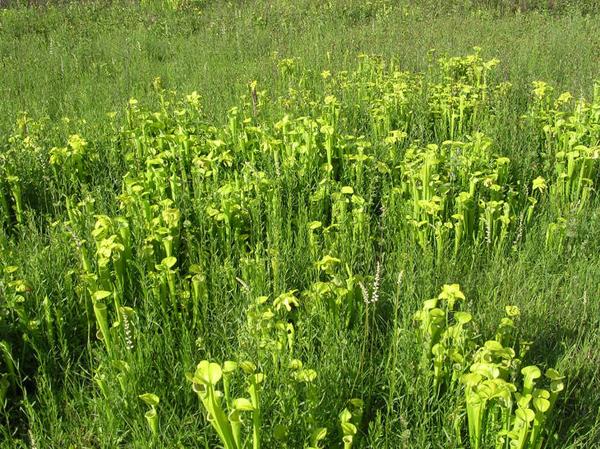
Green bullpen constitute.
Peter Pattavina, USFWS CC BY - 4.0
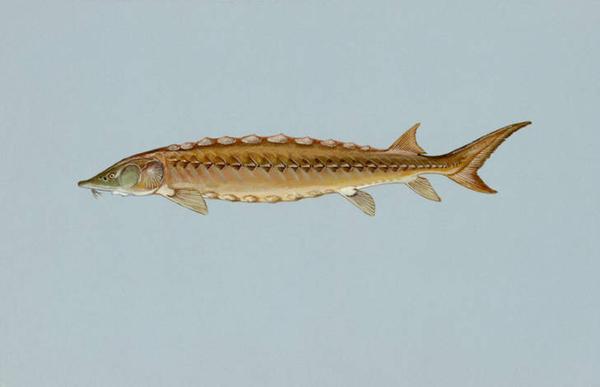
Starnose sturgeon.
Duane Raver, Wildlife illustrator CC BY - 4.0
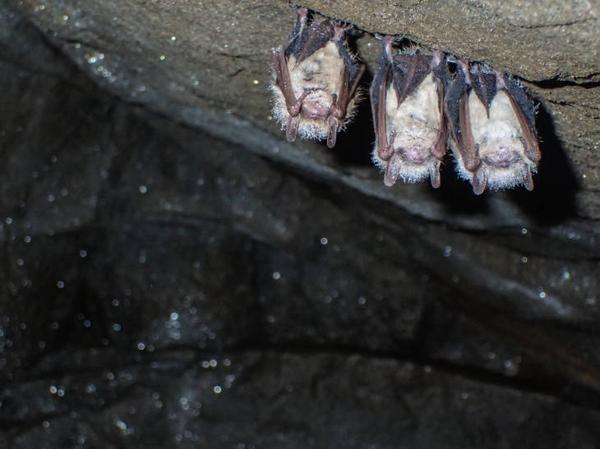
Tricolored bats ( under review for listing).
Gary Peeples, USFWS CC BY - 4.0
Publication date: June 30, 2019
Revised: July 1, 2019
Northward.C. Cooperative Extension prohibits discrimination and harassment regardless of age, color, disability, family and marital status, gender identity, national origin, political beliefs, race, religion, sex activity (including pregnancy), sexual orientation and veteran condition.
Source: https://content.ces.ncsu.edu/endangered-species
0 Response to "What Are Bison Babies Called Missouri Elktoe Mussel Range"
Post a Comment